November 4, 2026
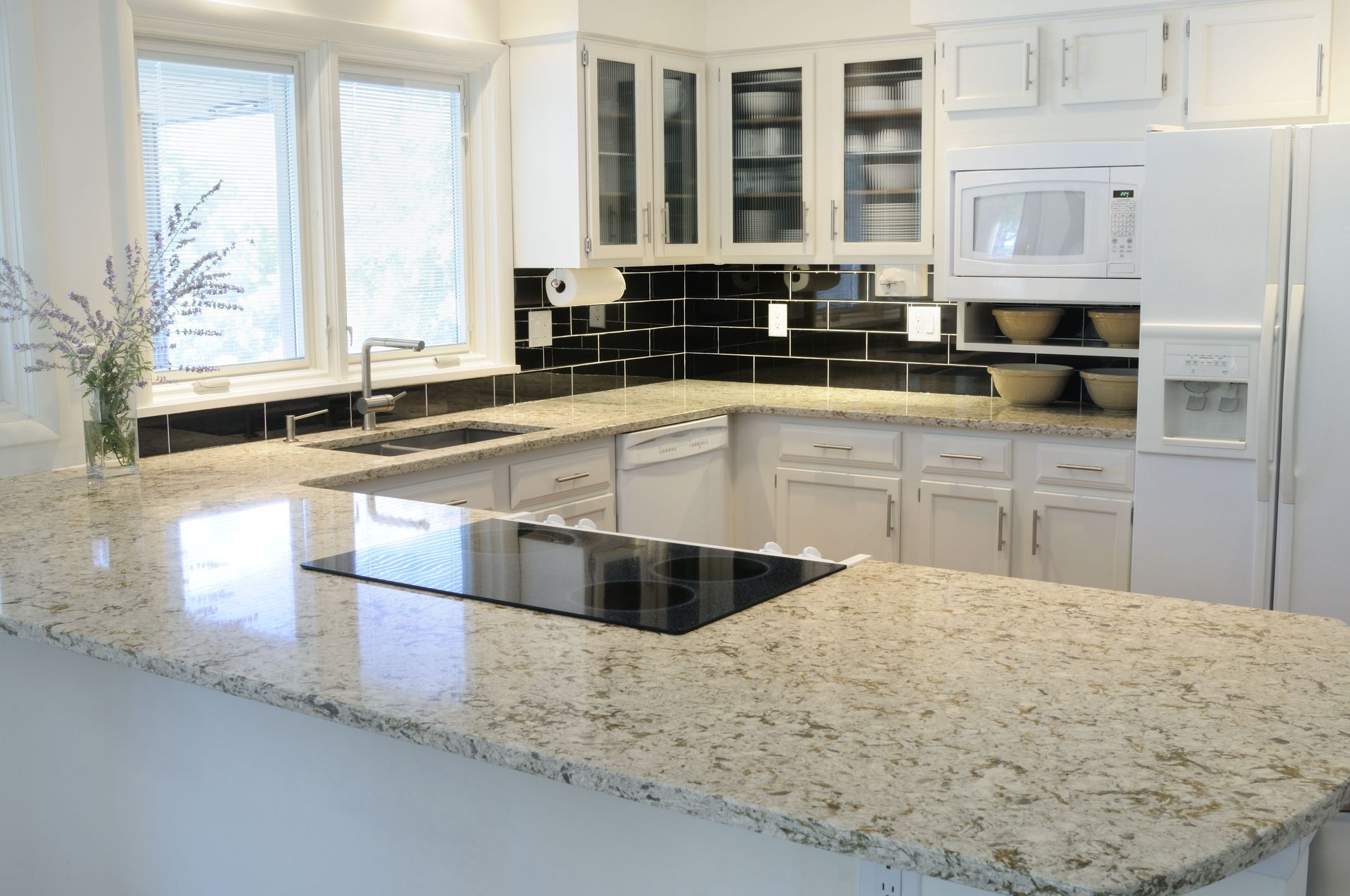
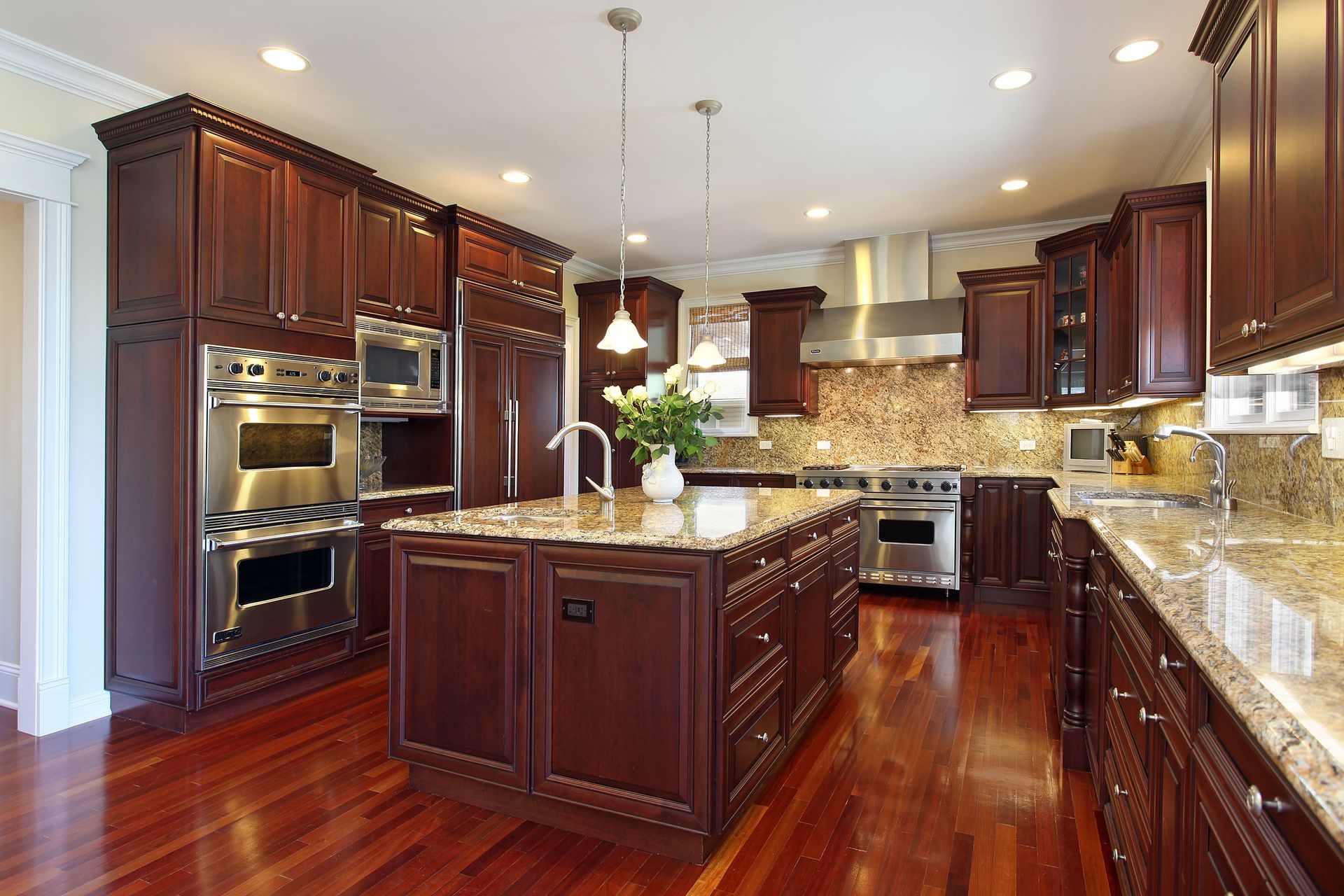
Quartz surfaces have become a prominent fixture in contemporary homes, celebrated for their exceptional durability and refined visual elegance. Engineered stone captures the visual depth of natural quarry slabs while providing superior resistance against daily wear and tear. Although this material is known for its simple upkeep, retaining its original brilliance requires consistent hygiene habits, careful handling of household liquids, and periodic attention from trained specialists. Enlisting a qualified countertop service helps safeguard your stone against premature dulling, preserving its beauty throughout decades of daily kitchen activity.
Protecting these surfaces begins with an appreciation of how engineered slabs are manufactured and how daily routines influence their finish. Daily cleaning is straightforward, yet the use of unsuitable chemicals can degrade the protective resins binding the stone together. Establishing a sensible balance between gentle daily wiping and scheduled technical care protects your investment from permanent harm. Understanding how to handle heat, spills, and mechanical stress ensures that your living space remains practical and appealing for years to come.
Understanding Quartz Composition and Material Characteristics
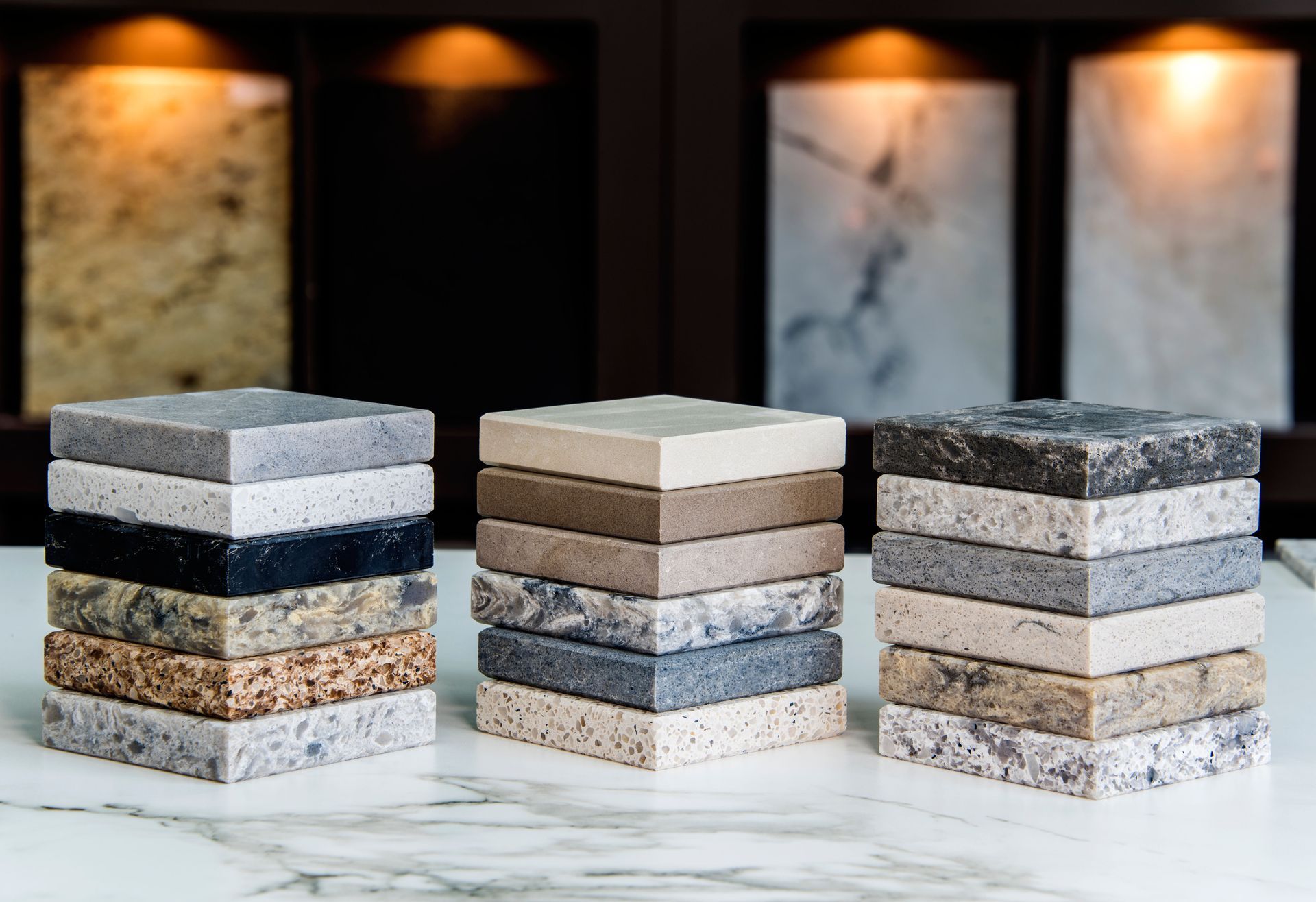
Quartz countertops are essentially man-made, consisting of over 90% crushed quartz combined with resin and pigments, according to The Spruce. This composition gives quartz its unique resilience and aesthetic appeal while allowing it to come in a wide array of colors and patterns. Unlike natural granite or marble, which contain unpredictable fissures and open pores, this manufactured stone undergoes intense compression during fabrication. The resulting slabs are dense and non-porous, preventing liquids from penetrating into the core material. Because specialized polymers encase every aggregate particle, the finished surface delivers reliable protection against everyday staining and bacterial buildup.
The synthetic resins responsible for binding the minerals together also introduce specific care limitations. While the natural quartz granules resist scratches effectively, the surrounding binders can react poorly to sudden temperature spikes and harsh chemicals. Consulting an experienced countertop service gives homeowners valuable insight into how different slab grades, edge designs, and resin formulas perform in busy rooms. Selecting the right surface requires balancing pigment uniformity with practical durability needs. Recognizing how natural minerals interact with modern binding agents allows homeowners to care for their stone with confidence.
Establishing Daily Care and Preventive Routines
Sustaining a clean surface requires gentle methods that safeguard the binding agent from chemical abrasion. Daily cleaning should be limited to warm water and mild dish soap wiped across the stone with a soft microfiber cloth. Coarse scouring pads, wire wool, and abrasive powders produce microscopic scratches that strip the glossy finish and trap debris. Acidic cleaners containing vinegar or lemon juice can cause surface etching, while alkaline cleaners with bleach or ammonia degrade the internal polymers. Wiping your preparation areas each evening removes grease and residue without weakening the protective structure.
Wiping away spills quickly remains the most dependable defense against surface discoloration. Even though engineered slabs resist deep moisture penetration, rich liquids such as red wine, balsamic vinegar, and espresso can leave stubborn surface films if left to dry. Blotting wet spills promptly prevents concentrated pigments from settling on the material. Using cutting boards during food preparation protects the resin from stray knife slips, while silicone trivets shield the slab from hot pots. Homeowners who secure an expert countertop service can easily obtain approved cleaning solutions designed to lift stubborn grime safely.
Managing Seasonal Shifts and Indoor Environments
Seasonal climate fluctuations create subtle domestic changes that influence stone care routines. The arrival of warmer weather often brings higher indoor humidity alongside more social gatherings, which increases foot traffic around central islands. Dropping kitchen utensils or heavy dishes near exposed stone edges during busy celebrations can cause chips and fractures. Reminding guests to place drinks on coasters and slice ingredients on boards protects the polished stone from preventable impact. Taking time before active hosting seasons to inspect working areas ensures your kitchen remains presentable despite heavy use.
During the colder months, central heating systems reduce indoor humidity, causing slight movement in underlying cabinetry and flooring. These environmental shifts can introduce mechanical tension along joined stone sections, especially around sink and range cutouts. Extreme indoor dryness paired with direct heat from slow cookers or electric pans increases the risk of thermal shock cracking. If you notice slight shifting at joint lines, hiring a countertop service allows technicians to level the slabs before stress fractures appear. Seasonal vigilance protects the entire installation, allowing your stone to navigate annual weather changes without difficulty.
Selecting Professional Maintenance and Restoration
Certain specialized restoration tasks require calibrated instruments, industrial epoxies, and diamond abrasives that only experienced technicians can operate safely. Trying to fix chips, smooth out deep gouges, or chemically polish dull spots without training frequently results in noticeable surface defects. Licensed specialists can identify internal stresses, reinforce undermount sink anchors, and realign uneven seams using precision leveling shims. Their diagnostic methods ensure that support cabinets underneath continue to bear the heavy stone evenly across every contact point.
Scheduling periodic evaluations with an accredited countertop service ensures that minor issues are corrected before they cause substantial damage. Over years of normal structural settling, epoxy seams between slabs can develop hairline fractures or collect dirt. Certified technicians remove old adhesives, mix color-matched bonding compounds, and secure the joint into a seamless plane. These technicians also check perimeter silicone seals to confirm that water cannot leak behind cabinetry where moisture fosters rot. Relying on trained specialists protects both the physical integrity of your surfaces and any active manufacturer warranties.
Enhancing Interior Aesthetics and Architectural Design
Engineered stone functions as an anchor in interior design, uniting cabinetry, wall treatments, and lighting fixtures into a cohesive space. Incorporating mitered waterfall edges lets the stone veining run down to the floor, producing clean architectural lines. Combining contrasting colors, such as an island slab with dramatic veins paired with neutral perimeter counters, creates visual depth. Translucent quartz varieties can even be combined with integrated backlighting, turning an ordinary prep surface into a glowing centerpiece during evening meals.
Carefully designed lighting highlights the intricate mineral fragments and color details embedded within the slab. Under-cabinet light fixtures provide bright, uniform illumination for meal preparation without creating irritating reflections. Pendant lights hung above central islands supply direct task lighting while generating an inviting ambiance for guests. Enlisting an established countertop service ensures that specialized cutouts for flush cooktops, customized sinks, and pop-up outlets are cut with absolute accuracy. Combining thoughtful design concepts with precise stone fabrication produces a space that balances functional utility with enduring visual appeal.
Quartz surfaces combine natural mineral strength with advanced resin engineering, creating an enduring asset for any contemporary home. Practicing non-abrasive daily maintenance, shielding the stone from direct heat, and avoiding heavy point impacts preserves the material with minimal effort. Consistent care prevents resin burns, chemical dulling, and edge fractures, allowing the stone to retain its radiant appearance. Pairing these daily habits with periodic technical inspections ensures that your investment remains sanitary, durable, and visually captivating over its entire lifespan.
When your quartz surfaces require expert alignment, seam restoration, or specialized care, seeking qualified guidance is the best way to safeguard your home. The specialists at Tecstone Countertops Solutions provide comprehensive quartz maintenance, stone evaluations, and surface repairs tailored to your specific kitchen or bathroom arrangement. Their team uses advanced tools and factory-approved adhesives to correct subtle seam shifts, polish out blemishes, and protect your stone against daily hazards. Contact us today to schedule an inspection, and discover how their professional
countertop service can preserve the beauty, safety, and durability of your living space.